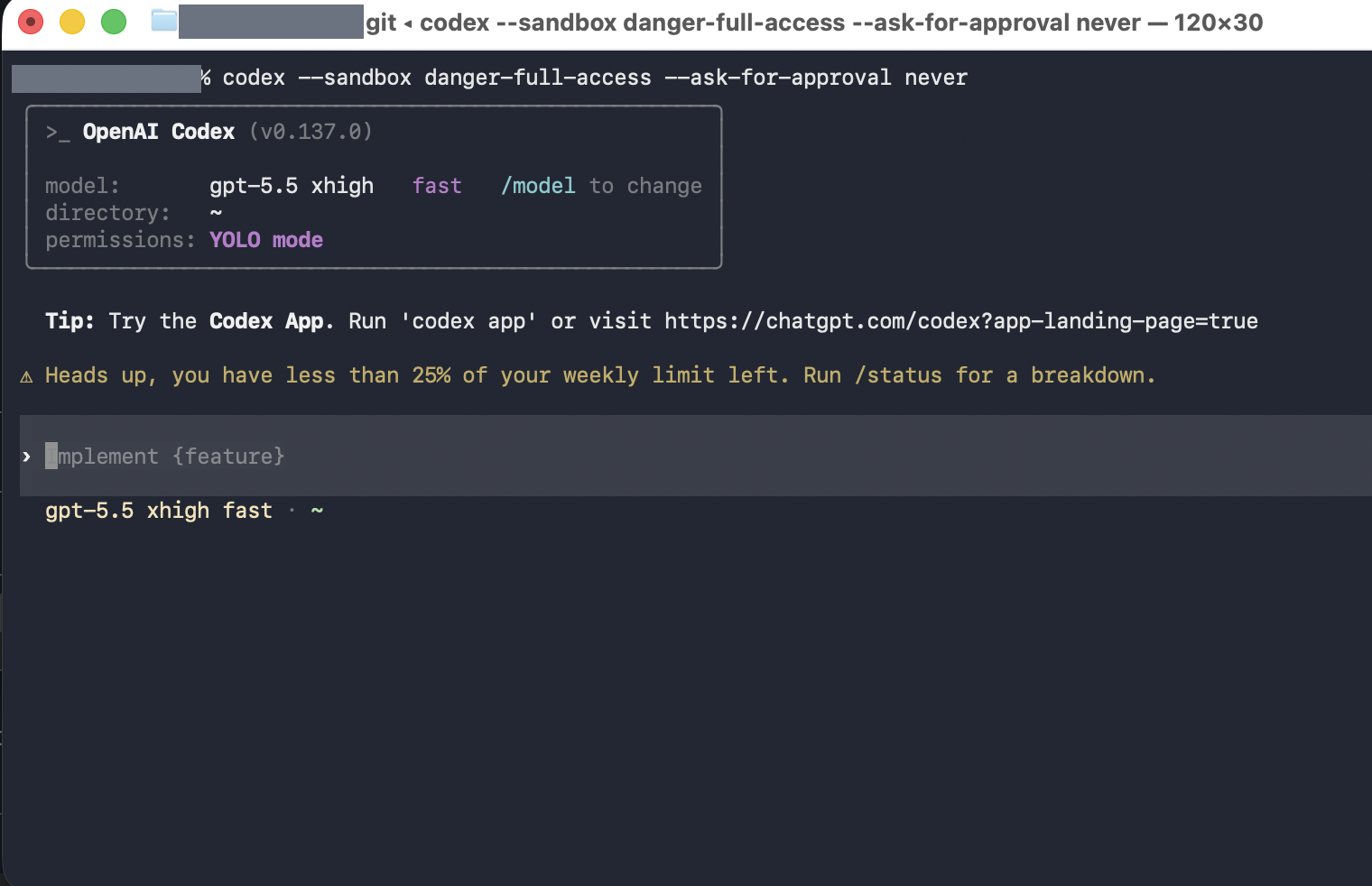
Codex YOLO Mode: Run Without Approvals Safely
How Codex YOLO mode (danger-full-access, no approvals) works, the risks it creates, and safer alternatives for AI coding agent permissions.
BLOG
How Codex YOLO mode (danger-full-access, no approvals) works, the risks it creates, and safer alternatives for AI coding agent permissions.
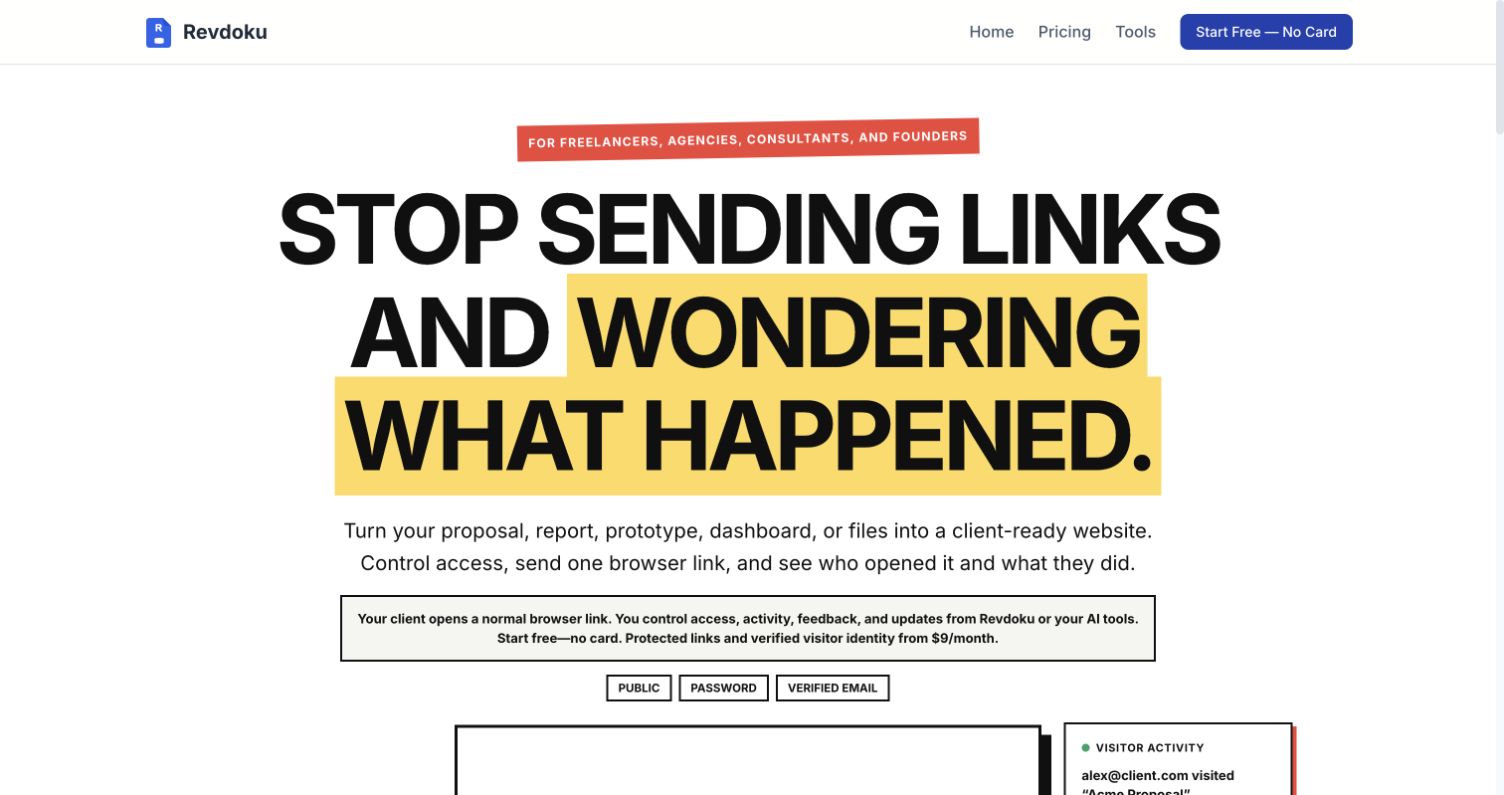
Learn how to upload a local folder to Revdoku, publish it as a website, add password protection, and review visitor analytics.
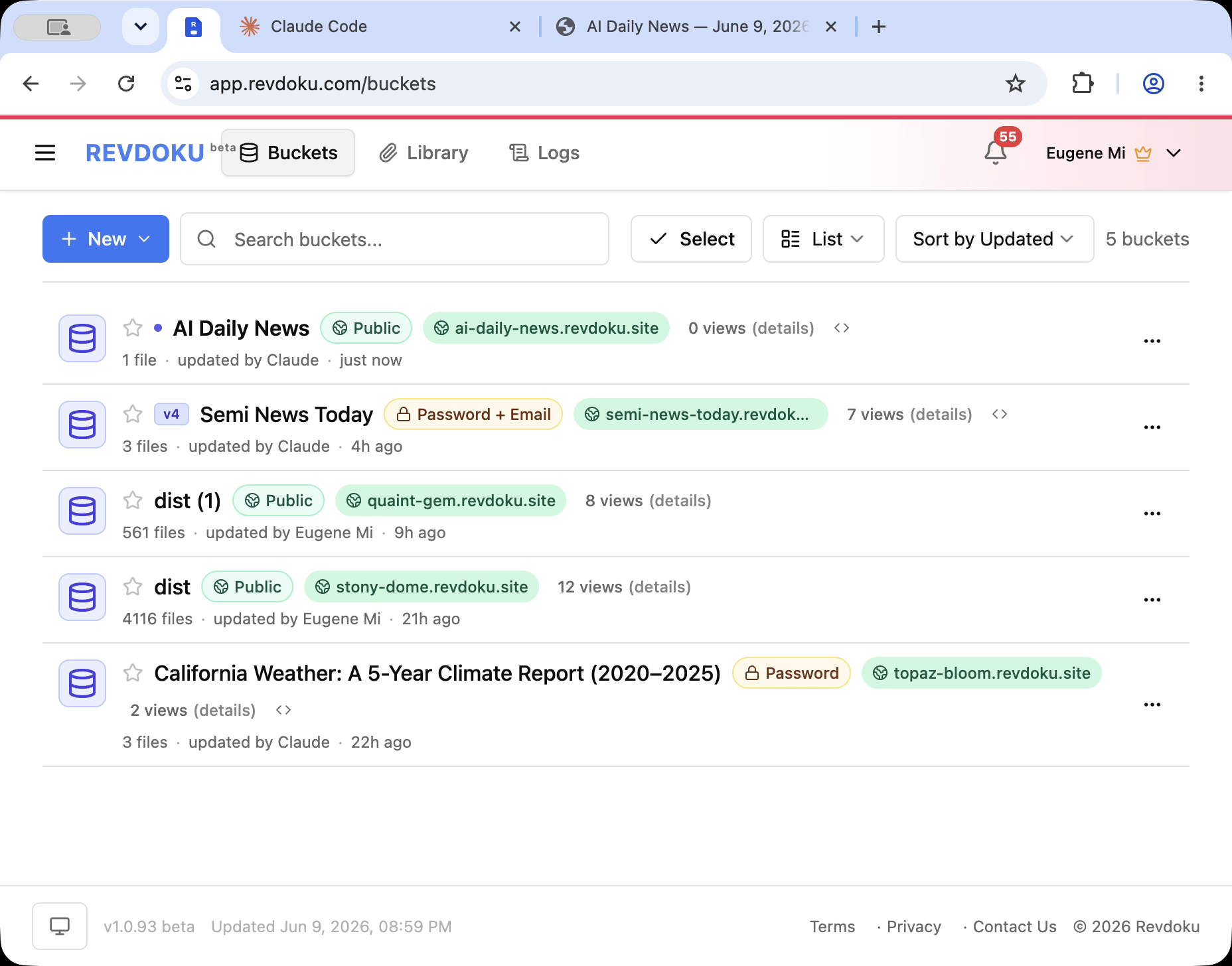
Compare Codex Sites, Revdoku, Netlify, and GitHub Pages for publishing AI-generated websites from Claude, ChatGPT, Codex, or local tools.
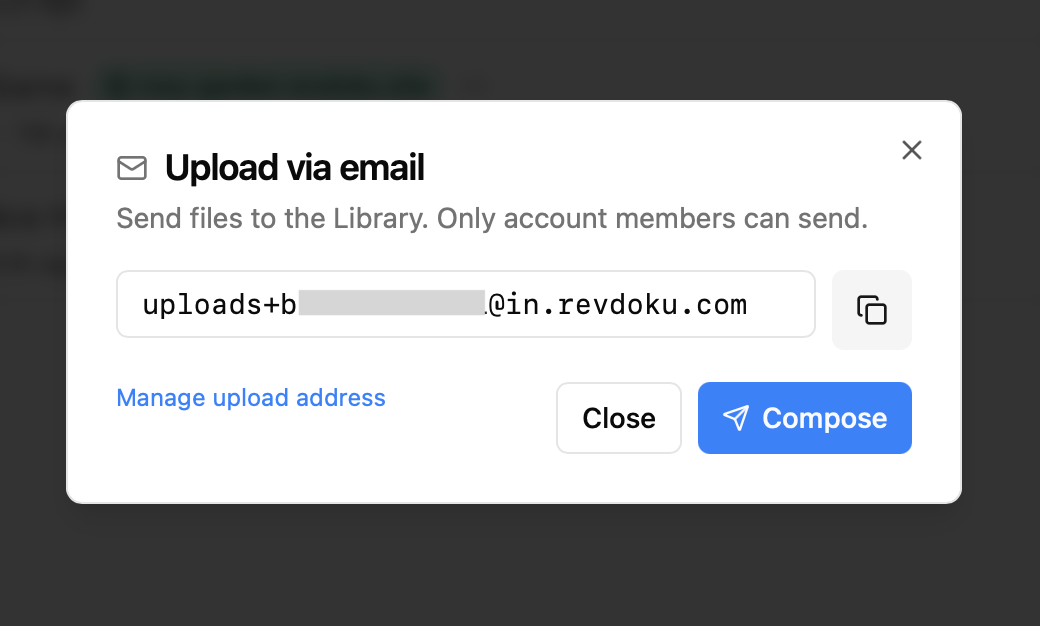
Learn how to upload files to a Revdoku bucket by email, confirm processing, find imported attachments, and check the upload log.
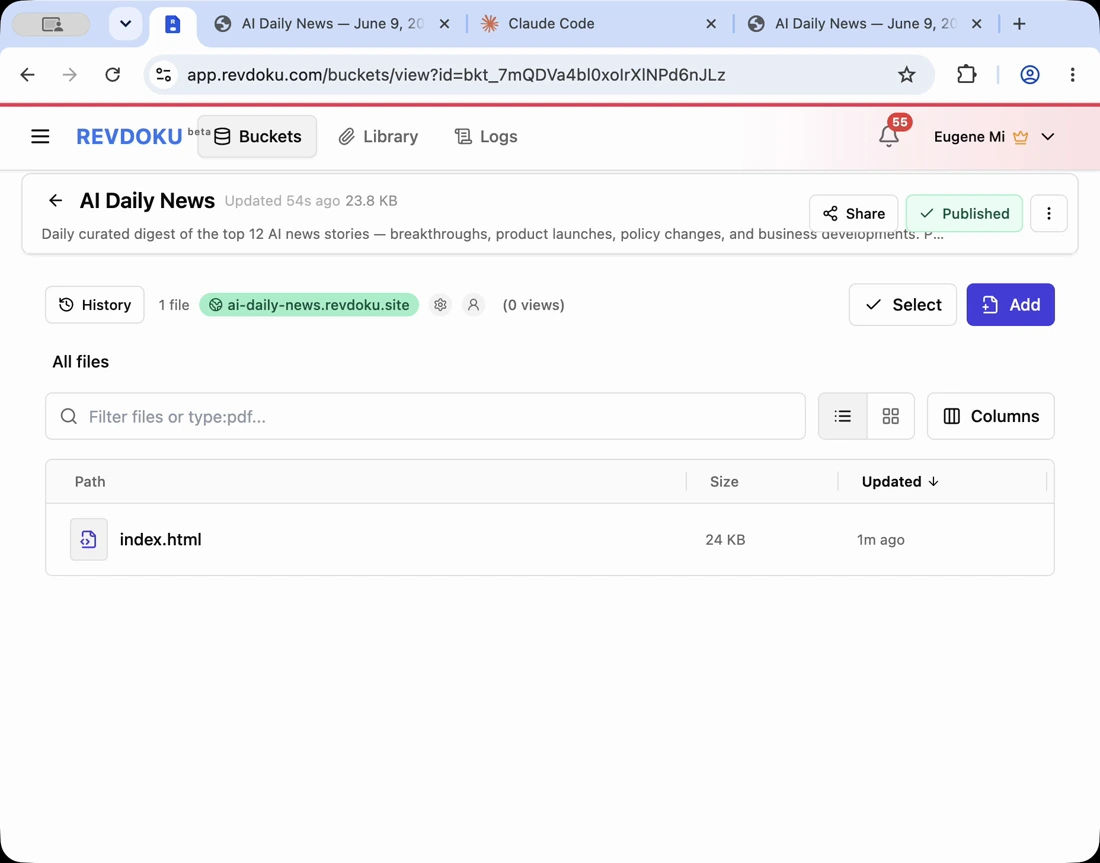
Use this checklist to remove secrets, review generated files, protect private drafts, rate-limit forms, and publish AI websites safely.
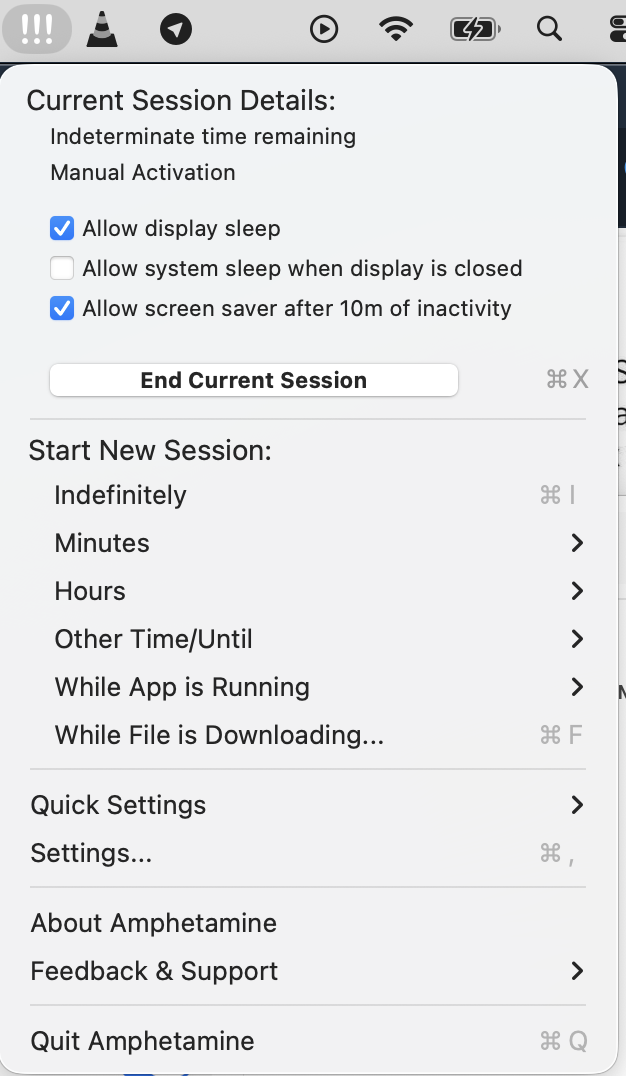
A practical setup for keeping Claude Code or Codex running on a closed MacBook while it stays connected to an iPhone hotspot.
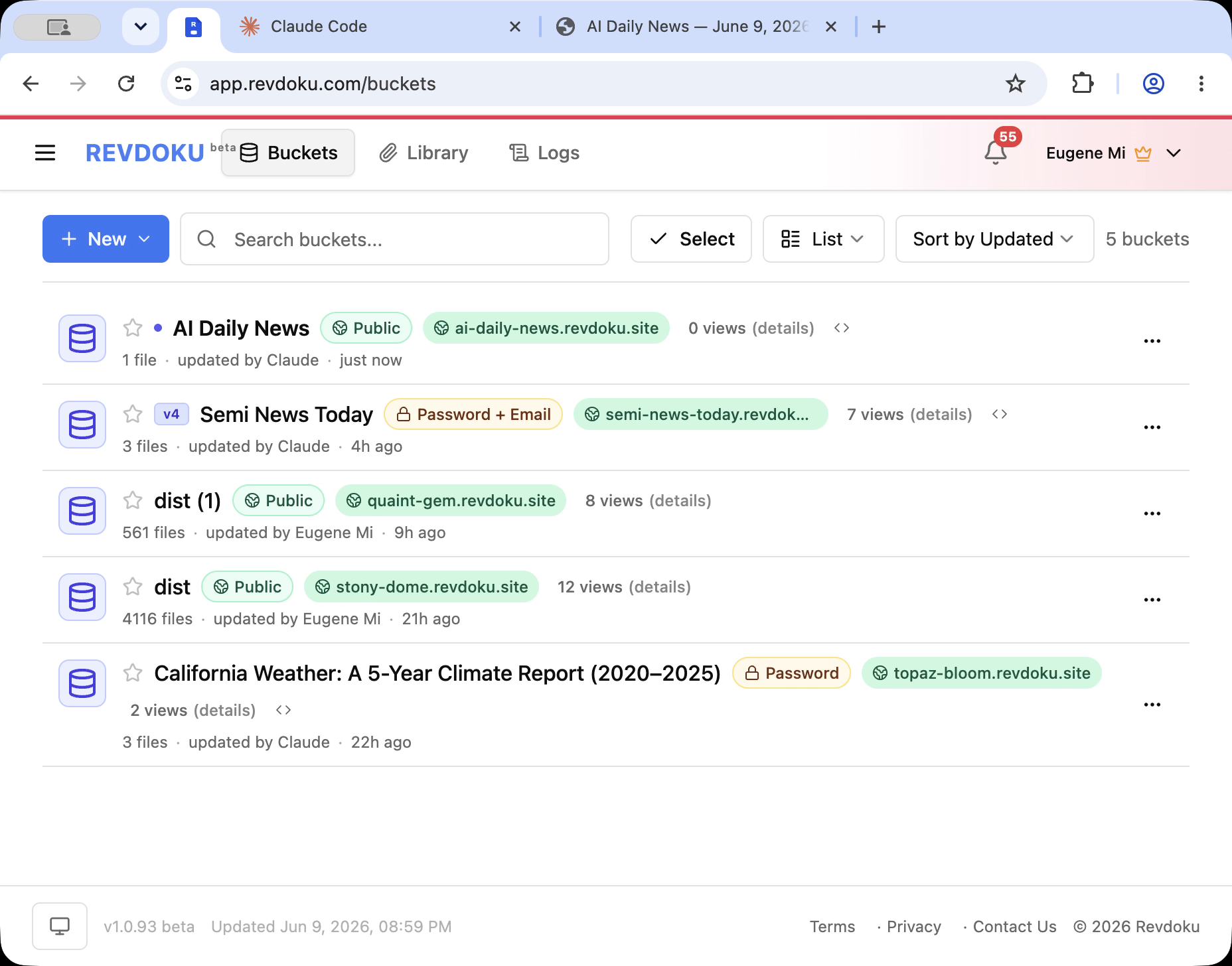
Compare Webflow and Claude Code for AI landing page experiments, and see how Revdoku helps publish, protect, and organize variants.
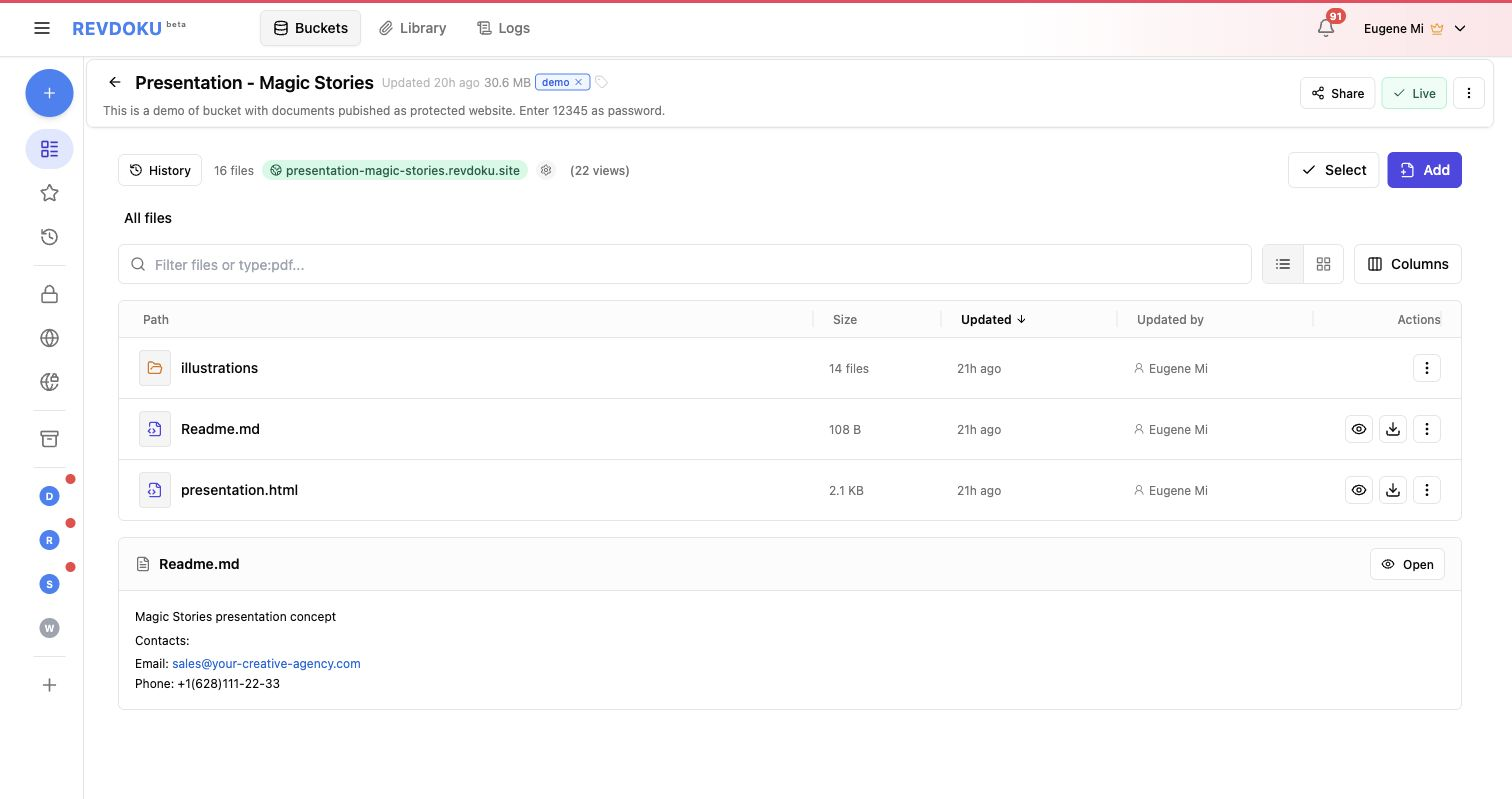
Turn Markdown, HTML, images, and folders into a shareable Revdoku website with built-in navigation, viewers, and access controls.

Use Revdoku to publish websites from ChatGPT, Claude, Codex, OpenClaw, Hermes, API clients, and automations.